How to Sell Used IBC Totes: What They’re Worth and Where to List Them
Intermediate bulk containers (IBC totes) are built to be reused, and there is steady demand for used and reconditioned ones. If your facility has surplus totes after a process change, a product line ending or a shipment of empties, selling them recovers money and frees floor space. This guide covers what drives resale value, how to prepare totes for sale, and how to list them.
What determines the value of a used IBC Tote?
- Size and type. The two common sizes are 275-gallon and 330-gallon. See our guides to IBC tote dimensions and 330-gallon IBC dimensions.
- Condition of the bottle. Cracks, heavy discoloration, brittle plastic or damaged threads reduce value. Totes that are clean and intact sell fastest.
- Cage and pallet base. A straight, undamaged steel cage and a sound pallet base (steel, plastic or composite) matter to buyers who will stack or forklift them.
- Previous contents. Food-grade or non-hazardous history is worth more than totes that held chemicals. Buyers will ask, so state it honestly.
- Valve and cap. A working bottom valve with a cap and gasket is a plus. Missing or seized valves should be disclosed.
- Quantity and location. Full truckloads are easier to sell than single units. Pickup location affects freight cost for the buyer.
- Grade. Listings usually fall into “used as-is,” “cleaned,” and “reconditioned.” Be clear about which yours is. For background on the tradeoffs buyers weigh, see new vs. used IBC totes.
How to prepare IBC Totes for sale
1. Empty and drain completely. Residue is the most common reason a sale falls through.
2. Rinse or clean where appropriate** and let totes dry. Do not mislabel a tote as food-grade unless you can document its history.
3. Inspect the bottle, cage, pallet, valve and lid. Note any defects.
4. Remove or cover old hazard labels and branding only as appropriate to your documentation; keep any original markings that identify the manufacturer, capacity and date.
5. Count and stage the units so the buyer or carrier can load them quickly.
Take good photos and write a clear listing
Buyers decide quickly. Include:
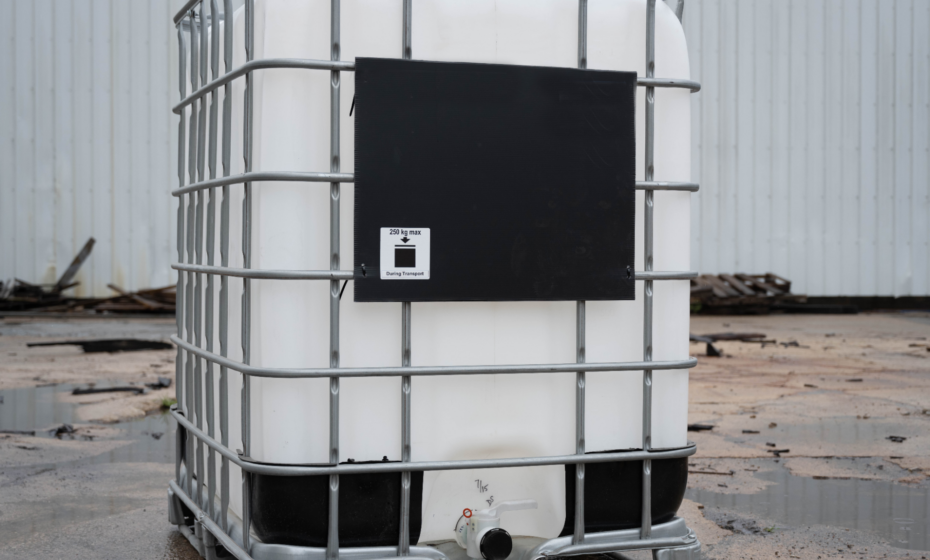
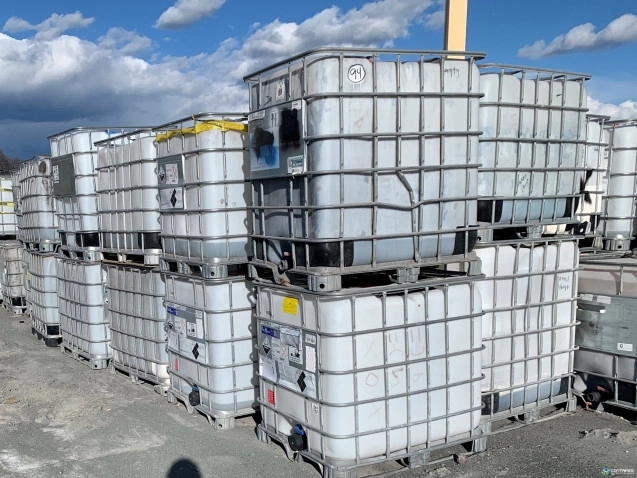
– A wide shot of the stack and a close-up of the bottle, cage, valve and pallet.
– Size (275 or 330 gal), quantity, condition grade, previous contents, and pickup location.
– Your asking price per tote and any quantity pricing.
Not sure about weights for freight? See IBC tote weight explained
Where to sell used IBC Totes
Options include local industrial reuse companies, reconditioners, classified ads, and online B2B marketplaces. A marketplace puts your totes in front of many buyers at once and lets you set your own price.
On Container Exchanger, listing is free. Container Exchanger is a marketplace, not a buyer: you set the asking price, and the seller keeps 100% of it. Commission is paid by the buyer. List your IBC totes for free, or browse current used IBC totes for sale to see how similar listings are priced and described.
Frequently asked questions
Can I sell IBC totes that held chemicals?
Often yes, but disclose the previous contents. Some buyers only want food-grade or non-hazardous history, and some reconditioners accept chemical-use totes for reprocessing.
Do I need to clean the totes first?
Drain them completely at a minimum. Cleaned totes generally sell faster and for more.
How much are used IBC totes worth?
It varies with size, condition, grade and region. Check comparable live listings before you set a price.
What if I only have a few totes?
Small lots can still sell; local buyers benefit from avoiding freight.
How do I get started?
Take photos, note condition and quantity, and create a free listing.