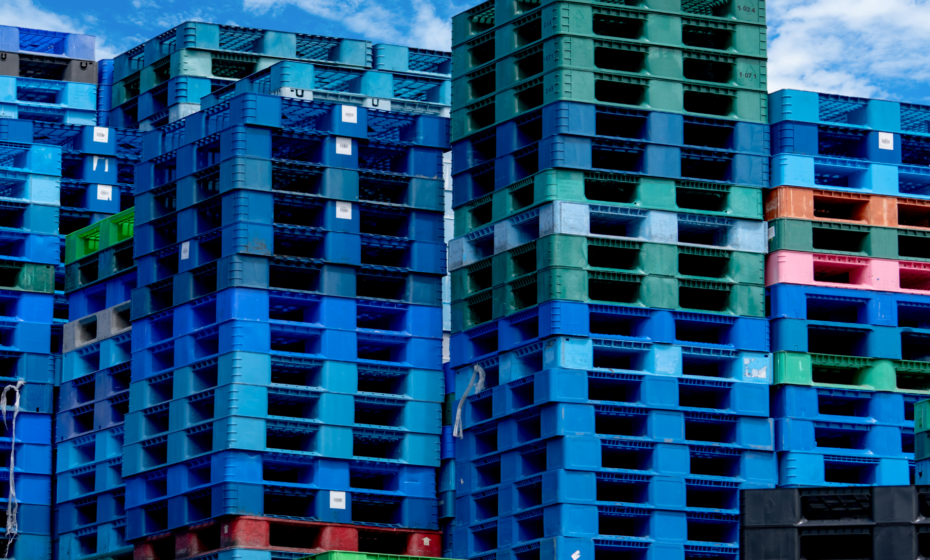
If you manage a warehouse or production line, you know how costly a failed pallet can be. A collapsing platform can damage product, delay shipments, and create safety hazards on the floor. Plastic pallets help reduce those risks because they’re durable, hygienic, and built to handle heavy loads.
Understanding plastic pallet weight and how much weight a plastic pallet can hold is essential for safety, efficiency, and cost control. This blog covers pallet weight, load capacities, factors affecting strength, and how to choose the right pallet for your operation.
What Is a Plastic Pallet?
A plastic pallet is a solid platform made of durable plastic material, usually high-density polyethylene (HDPE) or polypropylene (PP). These pallets are used in shipping, warehousing, and industrial handling to move and store packaged goods.
Plastic pallets are hygienic, easy to clean, and don’t absorb moisture or harbor pests, making them ideal for handling food, beverages, and pharmaceuticals. They’re also reusable, which supports long‑term pallet racking systems and reduces the need for disposable wooden pallets.
How Much Does a Plastic Pallet Weigh Empty?
Most empty plastic pallets weigh between 13 and 32 pounds. That’s lighter than wood pallets, which usually tip the scales at 32 to 44 pounds. This weight matters when you’re loading a truck or container, because lighter pallets mean less total freight weight. Economy models are on the light side, while heavier industrial pallets are built to support heavier loads.
Pallet Sizes and Design Maximum Weight
The majority of plastic pallets follow the standard pallet size of 48 x 40 inches. That’s the standard pallet dimensions you’ll see in most warehouses, trucks, and shipping containers. Plastic pallets are also available in custom sizes to fit special bulk container layouts or production lines. You’ll find nestable, stackable, and rackable pallets built to sit securely on pallet racks. Design features, such as ribs, reinforced corners, and locking rings, help distribute the weight of the plastic pallet and provide better stacking support.
Light vs Heavy‑Duty Plastic Pallets Materials
Light‑duty plastic pallets are made from thinner plastic material and are used for lighter loads or one‑way shipping. They’re more cost‑effective for short‑term jobs.
Heavy‑duty plastic pallets use thicker HDPE or PP and include ribs and reinforced edges to handle heavier loads. These industrial pallets can support heavier loads and handle medium‑duty industrial loads without bending.
How Much Weight Can a Plastic Pallet Hold?
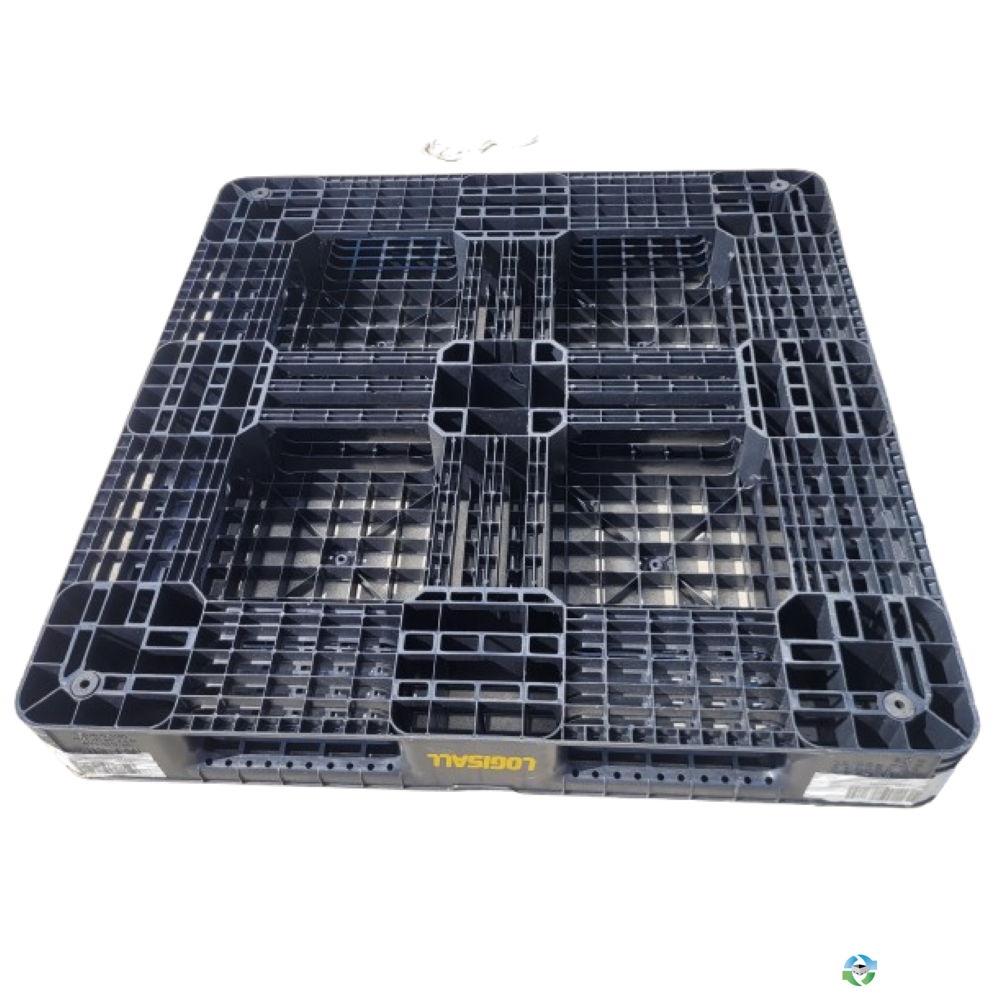
Plastic pallets can hold a lot of weight, but the exact amount varies by design and manufacturer. Most plastic pallets support static loads from 3,500 to 17,600 pounds, with some models going up to 30,000 pounds. When a pallet is moving, the safe load is much lower.
Static Load Capacity
Static load capacity is the maximum weight a pallet can handle when it’s sitting still on the floor. This is usually the highest number you’ll see on the pallet label. Static load capacities for plastic pallets typically range from 15,000 to 30,000+ lbs when stationary on a flat surface. Make sure the weight is spread evenly.
Dynamic Load Capacity
Dynamic load capacity is the maximum weight a pallet can safely carry when it’s being moved by forklift or pallet jack. This is always lower than the static rating because vibration and impact add stress. Most plastic pallets are rated from 1,000 to 5,000 pounds for dynamic loads, with heavier industrial models on the upper end.
Racking Load Capacity
Racking load is the maximum weight a pallet can hold on a pallet rack. Rackable plastic pallets have locking rings or reinforcement for stacking support. The range is usually 500 to 2,800 pounds.
Why Pallet Load Capacity Matters
Pallet load capacity isn’t just a number on a label. If a pallet can’t handle the weight, it can buckle or collapse, which puts people and product at risk. Heavier pallets also add to the truck’s total weight, which can push up your freight costs.
Using the right capacity keeps packaged goods from shifting or breaking in transit. In food and pharmaceuticals, companies must follow standards, such as those from the Grocery Manufacturers Association, which require matching pallet capacity to both the load and the environment where it’s used.
Factors That Affect Plastic Pallet Weight Capacity
Several factors determine how much weight a plastic pallet can hold. The plastic material, thickness, and reinforcing ribs all affect strength. HDPE pallets are generally stronger and more durable than polypropylene models, especially for heavier loads.
The pallet design also plays a role. Pallets with cross‑members, ribs, and thicker walls can handle more stress without bending. Load distribution matters as well. A pallet that holds an evenly distributed weight is much safer than one with concentrated point loads.
Environmental conditions can change a pallet’s performance. Extreme heat or cold can make a plastic material softer or more brittle, which can reduce the safe working load. Older pallets or used pallets may show signs of wear, such as cracks or foot damage, which lowers their effective capacity.
Plastic vs Other Pallet Types
Plastic pallets are stronger and more consistent than wooden pallets. Wooden pallets, even recycled or heat-treated, usually max out at around 2,500 pounds. Metal pallets can carry even more, but they’re heavy, expensive, and often overkill for most warehouses.
| Pallet Type | Empty Weight | Static Load | Dynamic Load | Notes |
| Plastic pallets | 13–32 lbs | 3,500–17,600 lbs | 1,000–5,000 lbs | Easy to clean, bacteria-resistant |
| Wooden pallets | 32–44 lbs | 2,500 lbs max | 1,000–2,000 lbs | Can break, absorbs moisture |
| Metal pallets | 50–120 lbs | Up to 30,000 lbs | 5,000 lbs | Heavy and costly, rarely needed |
Plastic pallets are more cost-effective in the long run due to their higher weight capacities and durability. Grocery stores, beverage manufacturers, and warehouses that use bulk containers often prefer them.
How to Buy Pallets Correctly

Choosing pallets comes down to matching them to your products and storage setup:
- Pick pallets based on your weight limit and the size of packaged goods.
- Check dimensions and make sure standard pallet size or custom pallet lengths fit your trucks and racks.
- Consider stacking support and handling equipment, like forklifts or pallet jacks.
- Economy pallets work for one-way shipping or short-term storage.
- Look at different weight capacities for the products you move most often.
How to Secure Products on Plastic Pallets
Properly securing packaged goods on a plastic pallet helps prevent shifting, damage, and accidents. Use shrink wrap, straps, or corner boards to stabilize the load. Distribute weight evenly and avoid exceeding the pallet’s weight limit.
For fragile items, using plastic pallet bins or bulk container systems can provide additional protection during transport.
Common Mistakes to Avoid
Even experienced warehouses make these errors:
- Loading pallets beyond their weight capacity.
- Uneven weight distribution causing stress on corners.
- Using the wrong type of pallet for racks.
- Ignoring pallet age, wear, and environmental conditions.
Final Thoughts on How Much Weight Can Plastic Pallets Hold?
Plastic pallets combine durability, hygiene, and higher weight capacity compared to wooden pallets. Selecting a pallet based on the weight of your products, storage conditions, and handling methods keeps goods safe and operations smooth. Businesses should evaluate pallet type, design, and material before buying empty pallets or used pallets.
Container Exchanger offers a wide selection of new and used plastic pallets, bulk containers, and industrial pallets across North America, making it easy to match pallets to your needs.