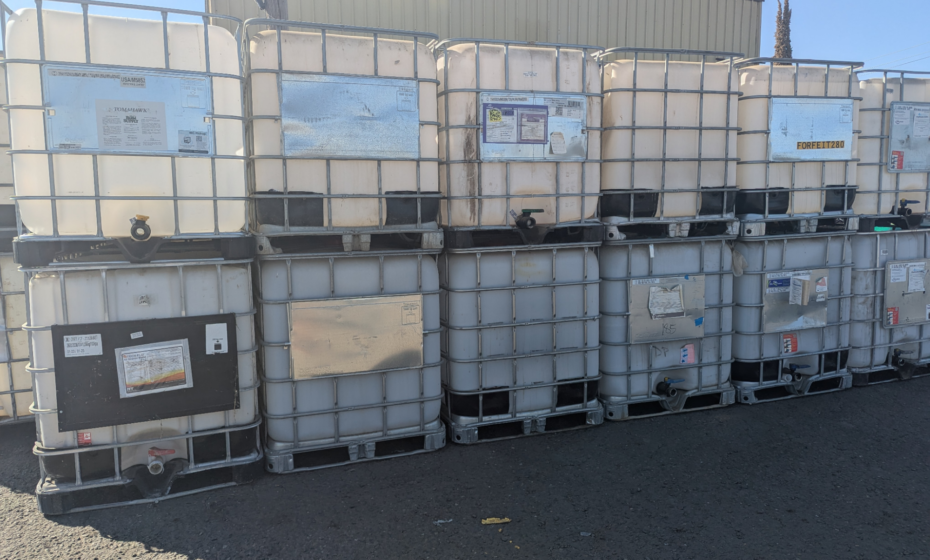
Running a business that stores or ships liquids and bulk materials quickly shows how every pound matters. Intermediate bulk containers (IBCs) are critical for transporting chemicals, water, and other products safely. Knowing the empty weight of an IBC tote matters for stacking, handling, and loading trailers efficiently. This guide breaks down weights by capacity, materials, and construction factors so you can pick the right tote for your operations.
What Determines the Weight of an IBC Tote?
The weight of an IBC tote depends on capacity, material, and construction. High-density polyethylene totes are lighter, while stainless steel or metal-built versions carry more pounds. Steel cage design and pallet bases contribute to strength and stackability. Fittings, lids, and other accessories add small amounts of weight. Considering these factors ensures safe handling, protects workers, and avoids overloading equipment or trailers.
Standard IBC Tote Sizes and Capacities
IBC containers come in standard sizes ranging from 275 to 550 gallons. The most common options are the 275-gallon IBC tote and the 330-gallon IBC tank. Larger containers, such as 350- and 550-gallon units, are used for heavier industrial applications. These totes are designed to store and transport liquids safely while fitting forklifts, trailers, and warehouse racks.
275-Gallon IBC Tote Weight Empty
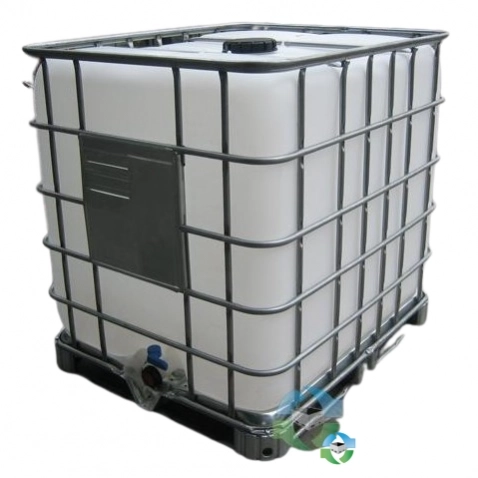
A 275-gallon IBC tote typically weighs about 135 pounds empty. Its footprint is 40 inches wide by 48 inches long, and its height is around 46 inches. It’s ideal for transporting liquids in moderate volumes and is widely used in commercial and industrial settings.
330-Gallon IBC Tote Empty Weight
The 330-gallon IBC tank usually weighs between 145 and 170 pounds empty. The slightly larger size gives more load capacity while remaining manageable with proper handling equipment. It’s common to store chemicals or water in mid-size operations.
350 and 550-Gallon IBC Tank Empty Weight
Empty 350- and 550-gallon IBC tanks weigh 175 to 310 pounds, depending on wall thickness and steel cage design. Larger totes are often used when maximizing load per trip is critical, especially for bulk storage or transporting liquids in industrial facilities.
Factors That Affect IBC Tote Weight
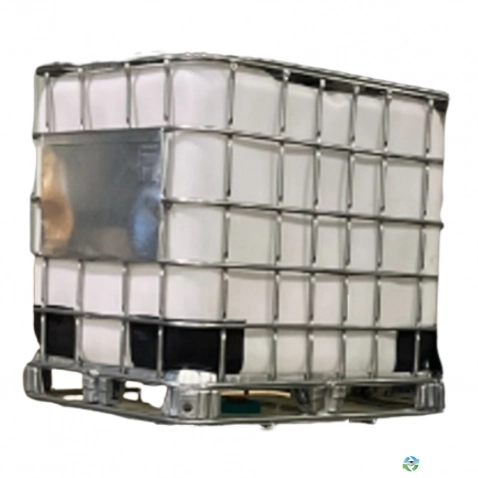
The weight of an IBC tote in pounds (lbs) depends on bottle material, shipping pallet type, and design. Understanding these factors means safer handling and accurate load planning.
Material and Pallet Base
High-density polyethylene bottles are lighter than stainless steel or metal IBC tanks. Pallet bases — plastic, composite, or all-steel — also affect pounds. A steel cage adds strength, helping with stackability and forklift handling.
Other Factors
Valves, lids, and fittings add weight. Food-grade and insulated storage containers may have reinforced walls, thicker materials, or UV-protective layers, which can affect tare weight. Custom designs or specialty Poly Totes can increase pounds slightly.
Tare Weight vs Gross Weight
Tare weight refers to the empty IBC tote, while gross weight includes its contents. This distinction matters for trailer load, forklift handling, and regulatory compliance. Knowing both weights helps plan safe stacking, avoid overloading, and move liquids efficiently.
Safety Guidelines for Handling IBC Totes
Even empty IBC totes can be awkward. Tips for safe handling include:
- Use forklifts or pallet jacks rated for the tote’s load.
- Never attempt manual lifting; 275-gallon totes already weigh 135 pounds.
- Observe stack limits based on wall thickness and steel cage strength.
- Inspect totes and equipment regularly for cracks or leaks.
- Keep weight evenly distributed when loading trailers or racks.
Following these practices reduces injuries and protects product integrity.
How to Choose the Right IBC Tote for Your Needs
Matching the tote to your operational needs ensures safer stacking, easier draining, and smoother workflows.
- Choose a tote that fits the storage space and volume needs
- Consider material and empty weight for transport and handling.
- Evaluate the steel cage and pallet base compatibility with your equipment.
FAQs
What are standard IBC tote dimensions?
Standard IBC tote dimensions usually include 40-inch width, 48-inch footprint, and 45–46-inch height, depending on capacity, steel cage, and pallet base design.
How much does a full IBC tote weigh?
A full IBC tote’s weight depends on capacity and contents. A 275-gallon tote filled with water weighs around 2,400 pounds, while larger totes can exceed 2,900 pounds.
How much does an empty IBC tote weigh?
The empty IBC tote weight ranges from 135 to over 300 pounds, depending on size, wall thickness, steel cage design, and additional fittings such as valves or lids.
Conclusion: Finding the Right IBC Tote
Knowing IBC tote total weight when empty is essential for planning safe handling, stacking, and transport. Selecting the correct size and material prevents accidents and protects products.
Explore new and reconditioned IBC totes, insulated storage containers, and bulk container options at Container Exchanger to find the best fit for your operations.