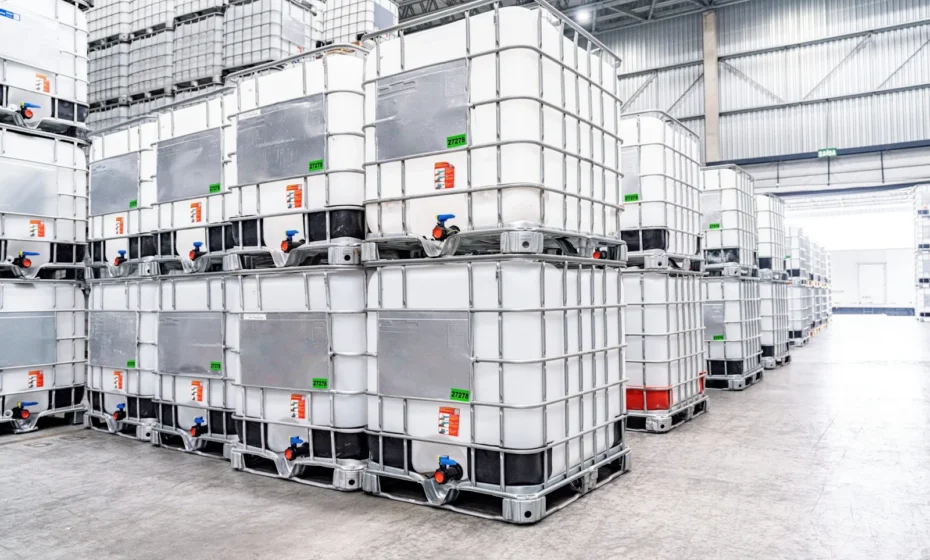
A shipment arrives, the totes look right at a glance, and then something feels off. The aisle is tighter than expected, or the rack clearance is close. A forklift operator hesitates. Dimensions that seem small on paper suddenly matter a lot when steel, liquid, and traffic all meet in one place.
That’s why understanding the actual size and weight of a 275-gallon tote matters long before anything shows up at your dock.
What Is a 275-Gallon IBC Tote?
A 275-gallon IBC tank or tote is a type of durable Intermediate Bulk Container designed to hold liquids in volumes that sit between drums and full tanker loads. These totes are widely used across industrial, agricultural, food, and manufacturing environments because they balance capacity with manageable handling. For regulated applications, food grade 275-gallon IBC totes are used when material history, prior contents, and cleanliness standards matter as much as the footprint.
Most used 275-gallon ICB totes are built from a blow-molded high-density polyethylene (HDPE) inner bottle, supported by a galvanized steel cage, and mounted on a pallet-style base. That structure gives the tote its strength, stackability, and compatibility with forklifts and pallet jacks. The 275-gallon IBC totes usually have a 6-inch top-fill port and a 2-inch bottom discharge valve.
Standard Dimensions of a 275-Gallon Tote
A typical 275-gallon IBC tote measures 48 inches long × 40 inches wide × 46 inches tall. That footprint matches a standard North American pallet size, which is no accident.
These measurements are industry averages, not absolute standards. Height can vary slightly, usually falling between 42 and 52 inches, depending on the pallet base and manufacturer. Capacity remains consistent even when small dimensional changes exist.
For reference, when filled with water, a standard 275-gallon IBC tote is approximately 2,325 lbs or 1,040 liters.
Typical External Dimensions
If you’re shopping online, the first thing to confirm is the outside footprint, not just capacity. The measurements below reflect the typical external size of a standard 275-gallon tote, including the cage and pallet. This is the set of numbers that affects aisle spacing, rack clearance, and how many units you can stage or load.
| Measurement | Approximate Size | Best Uses |
|---|---|---|
| Length | x 48 inches | Forklift compatibility |
| Width | x 40 inches | Standard racking and trailers |
| Height | x 46 inches | Efficient vertical storage |
| Capacity | 275 gallons | Bulk liquid handling |
Why 275-Gallon Tote Dimensions Are Standardized
The 48 × 40-inch footprint exists for one reason. It works.
That size aligns with pallet jacks, forklifts, racking systems, and standard trailers used across North America. When totes share a common footprint, warehouses avoid constant re-measuring and re-slotting.
Standardization also improves transportationefficiency. Totes fit cleanly into trailers and containers, reducing wasted space and minimizing shifting during transit. When stacked or staged, the footprint keeps loads stable and predictable.
Internal vs External Dimensions
External dimensions describe the total space the tote occupies, including the cage and pallet. Internal dimensions define the usable volume inside the HDPE tank.
This distinction matters when planning for storing liquids that have different densities. A tote may hold 275 gallons by volume, but the usable fill level can vary slightly depending on fill line design, venting, and the top lid assembly.
Weight & Load Considerations
Weight is where many planning mistakes happen.
| Condition | Approximate Weight |
|---|---|
| Empty tote | ~130–135 lbs |
| Filled with water | ~2,325 lbs |
That full weight assumes water. Other liquids change the math based on specific gravity — a heavier liquid increases the total load while a lighter one reduces it.
For regulatory context, the U.S. Department of Transportation outlines performance and marking requirements for bulk packagings used in commerce under the UN DOT standards.
Disclaimer: Always confirm load limits and manufacturer ratings before stacking or lifting filled totes.
How 275-Gallon Tote Dimensions Affect Storage & Transport
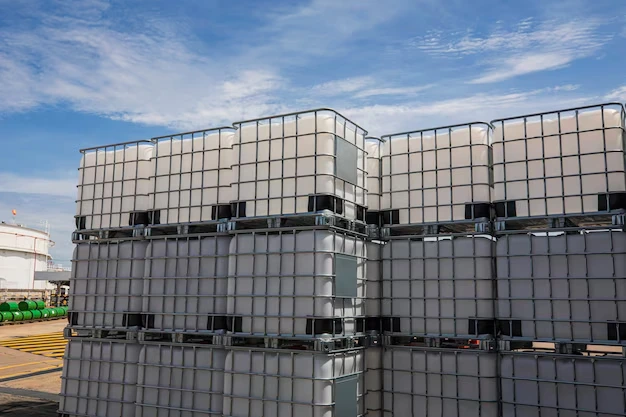
Dimensions don’t matter until they do, and in a warehouse they do fast. A tote that’s an inch taller than expected can fight your rack clearance. A valve that sticks out can mess with how you line up a row.
“Pallet racking systems and other engineered storage solutions allow warehouses to maximize vertical space and improve storage density, often reducing the need for additional floor space or costly expansions.” — Wikipedia
The sections below cover the practical impact on warehouse storage, truck and container loading, and transport.
Warehouse Storage
A single tote occupies roughly 13.3 square feet of floor space. In racking, that footprint allows straightforward planning for rows and bays.
Vertical stacking is common, but limits depend on manufacturer ratings and whether the tote is full or empty. Most empty units can be stacked higher than filled ones. Clearance above the top lid and valve is often overlooked and should be planned intentionally.
Example scenario: In a typical warehouse setup, a team may plan a tight staging row based strictly on the 48 × 40 footprint, only to realize the discharge valve extends slightly beyond the cage on their tote model. That extra inch can throw off aisle clearance and make forklift traffic feel cramped. A common fix is to reorient all totes so valves face the same direction and build in a small buffer zone, which restores clearance without changing the overall layout.
Truck & Container Loading
Standard footprints make trailer loading predictable. Totes align cleanly across trailer widths, reducing dead space.
Orientation matters. Valve direction affects door clearance, and protrusions should never press against container walls. Planning the layout before delivery prevents awkward repositioning on arrival.
275-Gallon Tote vs Other Common Tote Sizes
Choosing a 275-gallon tote is often about balance.
| Tote Size | Typical Dimensions | Best Use Case |
|---|---|---|
| 275-gallon | ~48 × 40 × 46 in | General storage and transport |
| 330-gallon | Taller profile | Higher volume, fewer moves |
| 220-gallon | Shorter height | Low clearance environments |
Facilities with ceiling constraints may prefer shorter units. High-throughput operations may choose larger volumes to reduce handling frequency.
Tote Variations You Should Know About
Most 275-gallon totes share the same general footprint, but the details are where planning goes sideways, and others don’t think to mention this.
Pallet bases vary. When shopping online, you can find:
- 275-gallon IBC totes wood pallets
- 275-gallon IBC totes plastic pallets
- 275-gallon IBC totes metal pallets
These bases can affect fork entry, repairability, and how the tote holds up after repeated moves. Valve placement can also extend beyond the cage footprint. That one detail changes aisle clearance, how close you can stage units, and how cleanly they load into trailers if the valve ends up facing the wrong direction.
For long-term water storage, material compatibility and seal condition matter more than footprint. A tired gasket, a worn fill cap, or a tote with unknown prior contents can create problems even if the tote “measures out” correctly.
Common Mistakes When Planning Around Tote Dimensions
Avoiding these mistakes starts with slowing down before you add to cart and buy 275-gallon totes.
- Ignoring valve clearance and finding out too late that aisles don’t work
- Assuming all totes share identical height profiles
- Overstacking without confirming manufacturer ratings
- Forgetting to account for floor load limits
- Treating totes as interchangeable items when specs differ
Frequently Asked Questions
Can 275-gallon totes be stacked?
Yes. Most 275-gallon IBC totes stack efficiently, often up to 3-4 units high when empty. But stacking limits depend on manufacturer guidelines. Always verify ratings.
How much floor space does one tote need?
Plan for at least 13–14 square feet per tote, plus clearance for handling and access.
Are 275-gallon totes regulated?
Many are certified under UN/DOT frameworks for approved materials. Always check markings before use.
Why Dimensions Matter Before You Place an Order
Understanding tote dimensions upfront saves time, money, and frustration later. When buyers rush to buy 275-gallon totes without checking height, weight, or clearance, small mismatches turn into operational problems.
For teams comparing IBC totes for sale, it helps to review dimensions, features, and compatibility. Will your team need the larger 275-gallon totes, or would IBC containers under 275 gallonswork? Watching supplier videos, reading real customer feedback, and confirming price, shipping, and stock details all support smarter decisions.
Mid-process support matters just as much as the ideal product itself. Container Exchanger helps buyers sort through options, confirm specs, and line up orders so what shows up actually fits the warehouse it’s going into. Shop our current IBC tote inventory online now to compare dimensions, availability, and shipping options.